
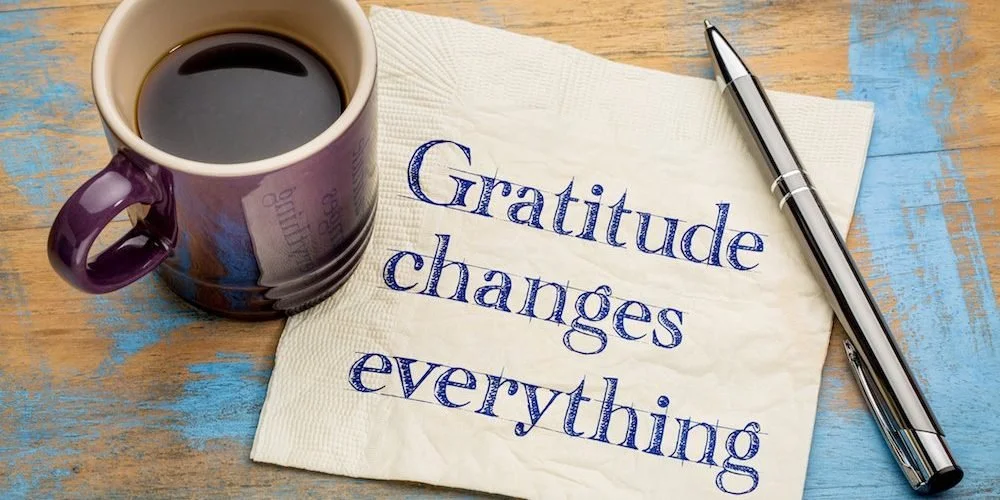
A brand is strengthened by how it demonstrates gratitude. People notice the difference.
A service brand doesn't begin with the customer. It begins with how a company treats the people responsible for serving the customer.
Thanksgiving gives us a natural reason to pause and appreciate the people around us. For business leaders, though, gratitude belongs in day-to-day strategy, not just on the holiday calendar. How an organization treats its people reveals what it truly values. When practiced consistently, appreciation shapes workplace culture, strengthens engagement, and elevates how customers experience your brand.
A great service brand starts with how you treat the people serving your customers, because you cannot expect a team to deliver care and respect they rarely receive at work. Done right, gratitude is a practical leadership discipline.
Specific Appreciation Makes a Difference
Generic praise like “great job” or “thanks for all your hard work” is polite but easy to forget. Specific recognition carries real weight because it tells someone exactly what they did well and why it mattered. Call out the person who stayed late to resolve a customer issue, the colleague who anticipated a problem before it disrupted a project, or the employee who helped another department meet a tight deadline.
When you name the exact behavior, people know what good work looks like and have a clear reason to repeat it. It also sends an unmistakable signal that leadership is paying attention—and that individual contributions ripple across the whole business.
When Gratitude Becomes a Brand Strategy
A company’s brand is shaped as much by human interactions as it is by advertising, logos, or marketing promises. Customers don’t separate your internal culture from the service they receive; they experience the organization as a whole. Every person answering the phone, resolving a complaint, processing an order, or making a tough call contributes to how your brand is perceived.
Starbucks and Chick-fil-A show how internal appreciation translates into customer experience. Starbucks calls its employees “partners” to reflect shared success, and its Bean Stock program, introduced in 1991, gave eligible staff an ownership stake in the business. The title matters, but the tangible investment behind it matters more; appreciation carries real credibility when employees share in the company’s success.
Similarly, Chick-fil-A founder S. Truett Cathy adopted “my pleasure” after hearing it from a hotel employee and wanting customers to feel that same genuine hospitality. Over time, the phrase became central to the brand’s service identity.
The takeaway is not that every business needs a scripted catchphrase, it is that words only hold weight when daily behavior backs them up. You build a lasting service brand through consistent experiences that make customers feel respected and valued, which is nearly impossible to sustain if your own team doesn’t feel valued first.
Why It Works, and Where It Backfires
When appreciation becomes part of everyday operations, it creates clear advantages that competitors cannot easily copy. Products, pricing, and promotions are simple to imitate, but a thoughtful customer experience depends on leadership habits and people who feel genuinely valued. Internally, consistent recognition strengthens relationships and helps people see how their daily work connects to broader company goals.
It also sharpens a leader’s visibility. When you make a habit of noticing contributions, you naturally spot the quiet, behind-the-scenes work that keeps operations running smoothly. Over time, that mindset extends to clients as well. Making an introduction, sharing a helpful resource, or solving an issue after the sale proves that the relationship matters beyond the next invoice, which builds trust and generates organic referrals.
That said, gratitude backfires the moment it feels performative or manipulative:
Public praise without practical support: Celebrating employees on social media while ignoring real concerns about workload or missing resources sends a hollow message.
Service that leads to burnout: A strong service culture should never require employees to say yes to everything, work unsustainable hours, or sacrifice their well-being to prove commitment.
Compliments with a hidden agenda: People immediately recognize when praise is just a warm-up for asking a favor.
Thanking people instead of fixing problems: Appreciating someone for working around a broken process is never a substitute for fixing the process itself.
Gratitude works when it reflects genuine respect, not when it is used as a management tactic to squeeze more effort out of people while giving them less in return.
From Thanksgiving to Thanksliving
Saying “thank you” is a moment; thanksliving is how you lead on an ordinary Tuesday. For leaders, it means moving past words and demonstrating appreciation through everyday decisions. That progression plays out across three practical layers:
Thankfulness (Recognize the effort): Acknowledge people with specific, timely praise so they know what good work looks like and why their contribution mattered.
Thanksliving (Remove the friction): Ask employees what makes their work harder, listen carefully, and eliminate unnecessary obstacles. Following through proves your appreciation is real.
Service (Extend it outward): When people feel respected and supported at work, they naturally bring that same care to customers, turning internal culture into a brand standard.
Putting thanksliving into practice also means looking beyond revenue numbers and performance dashboards. The people keeping systems running, opening the building each morning, handling tough customer calls, or quietly helping teammates succeed rarely show up on a sales report, yet the business depends on them.
And when someone goes above and beyond because a system failed or a workflow stalled, the most meaningful thank-you you can offer is fixing the root problem, so they don’t have to heroically rescue it next time.
How Leaders Can Make It a Habit
Putting this into practice does not require an expensive software platform, a massive budget, or a new HR program—just consistency and follow-through:
Keep praise immediate and specific. Use a simple situation–behavior–impact approach: name what happened, what the person did, and why it mattered. A two-line note sent today carries far more weight than a formal speech three months later.
Have leaders model the habit first. Culture follows what executives consistently do, not what they put in a memo. Ask managers to open weekly team meetings by calling out one specific win from the past week so appreciation becomes a routine business habit.
Close the loop when you promise a fix. When you thank someone for flagging an obstacle and commit to addressing it, take ownership and report back once it is resolved. Nothing erodes trust faster than hearing “thank you for the feedback” while nothing ever changes.
Connect internal effort to customer feedback. When a client leaves a great review, share it directly with the person who earned it—along with the behind-the-scenes teammates who made it possible. People stay engaged when they can see how their work improves the customer experience.
Measuring What Matters
Gratitude is hard to measure as a feeling, yet leaders can easily track whether appreciation is becoming part of how the organization operates. Keep the measurement practical by establishing a baseline first, then watching four indicators over a six-to twelve-month window:
Participation: Track whether managers and peers are regularly giving specific recognition, and whether it reaches people across all departments and levels, not just top performers.
Employee engagement: Watch survey feedback to see if team members feel their contributions are genuinely noticed and valued.
Retention: Look at voluntary turnover trends, particularly on teams where managers have actively changed how they recognize and support people.
Customer experience: Monitor satisfaction scores, client feedback, repeat business, and referrals for steady improvements in service quality.
As you review the numbers, look for broad patterns rather than assuming recognition alone drove the shift. Pay close attention to workload, compensation, and management quality alongside it. The goal is not to turn gratitude into another rigid corporate scorecard; it is simply to see whether your workplace is becoming a place where people consistently show consideration for one another.
The Leadership Takeaway
Thanksgiving is a welcome reminder to appreciate the people who keep our businesses running, yet the real test for leaders begins once the holiday passes. Gratitude takes hold when employees experience it in everyday interactions, practical leadership decisions, and how their contributions are recognized. When leaders model that habit consistently, employees naturally carry it forward to customers, turning internal respect into a genuine brand advantage.
Instead of simply expecting your team to deliver great service, build a workplace where they feel supported and valued themselves. This Thanksgiving, by all means, say thank you. Then spend the rest of the year giving your people real reasons to believe you mean it, because that is the difference between thankfulness and thanksliving.
DaMar Staffing and Consulting Solutions is an award-winning workforce solutions partner committed to helping organizations build stronger teams and individuals build stronger careers. Through strategic staffing, consulting, and targeted training, we help businesses develop capable, adaptable workforces while creating opportunities for people to grow and succeed professionally.
With more than 20 years of experience, DaMar combines recruiting expertise, personalized service, and flexible solutions to connect Indiana employers with exceptional talent. We go beyond filling positions by understanding business needs, recognizing individual potential, and creating workforce solutions designed to deliver lasting value.